
Multi-Site Energy Management: How Portfolio Operators Are Centralizing Energy Intelligence Across Hundreds of Locations
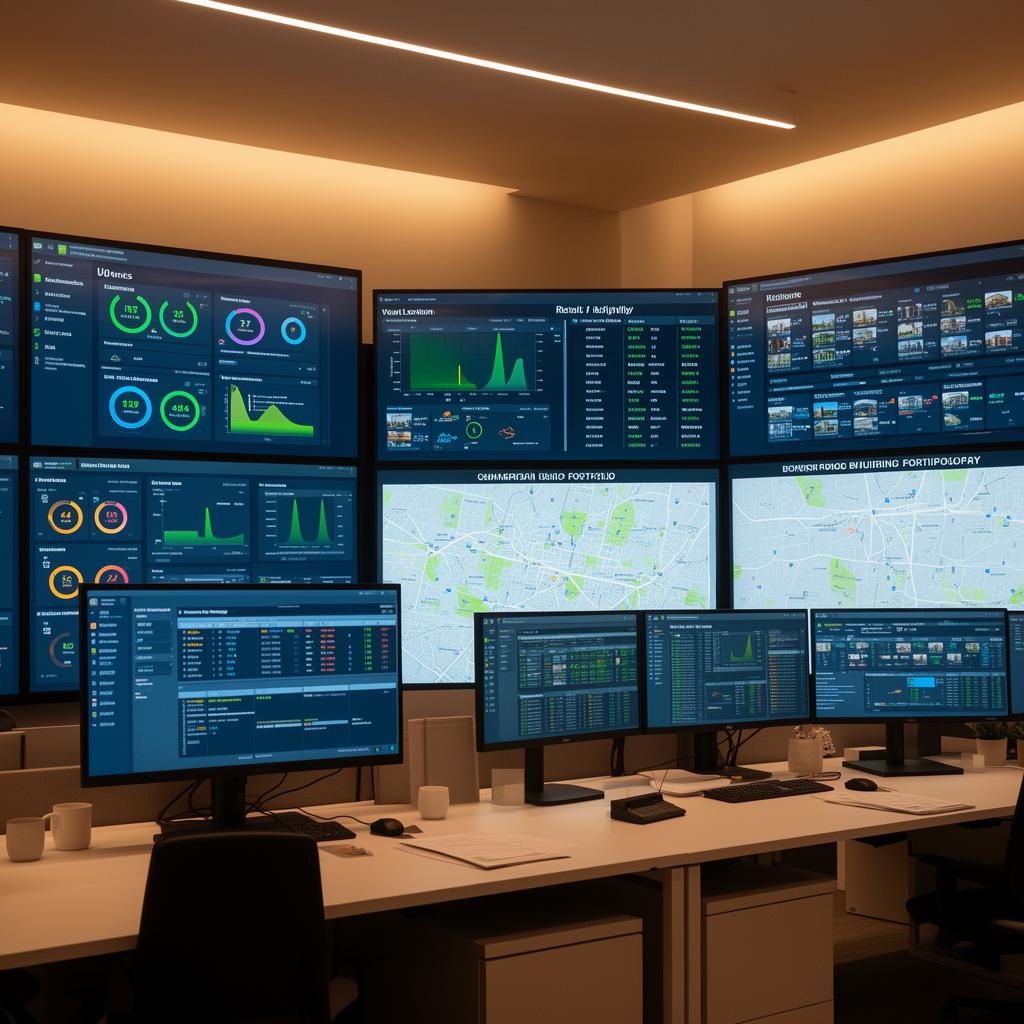
The Portfolio Visibility Problem
Operating many buildings presents a challenge: understanding energy use. For five buildings, a spreadsheet works. For fifty or five hundred, this fails.
Many businesses face this issue. National retailers, logistics, hotels, and healthcare struggle with multi-site energy management. Energy is a top operating cost. Yet, they often lack insight into actual consumption. Utility bills arrive late. They show cost, not reasons for spending. [Emergent Metering helps solve this.
The "why" is where savings hide. This is especially true across different climate zones and building types. This lack of insight is the "portfolio visibility problem." It costs multi-site operators millions each year. This includes wasted energy, missed demand charge savings, and reactive maintenance. Better data could prevent these issues.
What is Multi-Site Energy Management?
Multi-site energy management means overseeing energy use across many locations. It aims to reduce costs and improve efficiency. This requires centralizing energy intelligence.
Why Do Traditional Approaches Fail?
Most multi-site organizations use two main methods. These are utility bill tracking or Building Automation System (BAS) data. Both fail at scale.
Utility Bill Tracking
Utility bill platforms gather monthly invoices. They organize data for comparison. This helps with trends and budgets. However, it has limits. Data is 30–60 days old. You see a cost spike but not the cause. Investigating every site is not scalable for 200+ locations.
BAS Data
Building automation systems provide real-time data. But they focus on HVAC control, not energy intelligence. BAS platforms vary widely, especially in acquired portfolios. Integrating many different BAS vendors is complex. It's a multi-year IT task most cannot finish. When integration works, BAS data usually covers only HVAC and lighting. It misses other energy uses. These plug loads, kitchen gear, and refrigeration can be 30–40% of total use.
The Gap in Multi-Site Energy Management
Multi-site operators need specific data. They need circuit-level energy data from every site. This data should go to one cloud dashboard. It needs automated alerts and benchmarking. This should not require an analyst at each site. Until recently, this meant expensive hardwired metering. This cost was hard to justify for many properties.
How Can Wireless Sensor Technology Help?
Wireless, self-powered current sensors have changed things. They make multi-site energy monitoring more affordable. Panoramic Power's wireless sensor platform is ideal for this. It allows fast deployment across many sites. It offers centralized cloud analytics.
How Do Wireless Sensors Work?
Panoramic Power sensors clip onto circuits at the electrical panel. Most installations need no electrician, no wiring, and no network. Each sensor powers itself. It gathers energy from the circuit it monitors. Data transmits wirelessly to a local bridge device. This sends data to the cloud via cellular or existing networks.
This setup helps multi-site operators significantly. A typical retail site can be set up in 2–4 hours. A distribution center might take a day. Traditional hardwired metering can take weeks per site. It also needs integration with on-premises data.
The Cloud Dashboard
All data flows to one cloud platform: the PowerRadar dashboard. This happens regardless of site count. From this central view, energy managers can:
- Benchmark sites: Compare locations based on area or units. Quickly find outliers.
- Set automated alerts: Detect odd consumption. For example, equipment running off-schedule.
- Track demand peaks: Identify sites needing demand charge reduction strategies.
- Monitor critical loads: Watch refrigeration in real time. Catch failures before product loss.
- Generate reports: Create ESG and sustainability reports with real data.
The Business Case for Portfolio-Wide Monitoring
Centralized energy monitoring offers strong, proven ROI. Here’s how multi-site operators benefit.
Direct Energy Savings
Circuit-level data shows 10–20% actionable energy waste. Common findings include:
- Schedule drift: HVAC, lighting, or kitchen equipment running outside hours.
- Simultaneous heating and cooling: Hidden without circuit-level data.
- Refrigeration inefficiency: Frequent compressor cycling. Indicates dirty coils or bad settings.
- Phantom loads: Equipment in standby using power.
Demand Charge Reduction
Demand charges can be 30–50% of an electric bill. They are based on the highest 15-minute peak. Portfolio monitoring spots high-demand sites. This allows targeted load-shifting. A 10–15% cut in demand charges can save hundreds of thousands annually.
Predictive Maintenance
Energy data shows equipment health. A compressor using 15% more current may fail soon. Replacing it during scheduled maintenance saves money. This turns reactive maintenance into data-driven prevention.
Reduced Site Visits
Without central monitoring, diagnosing problems means sending technicians. These visits are costly for large portfolios. Remote monitoring reduces diagnostic visits. Facility teams know the problem and parts needed before arrival.
ESG and Regulatory Compliance
More multi-site operators face ESG reporting. Measured energy data provides accurate information. This helps with frameworks like GRESB and CDP. Site-level monitoring is now a compliance need in many areas.
Implementation: What a Portfolio Rollout Looks Like
Multi-site energy monitoring deployments follow a phased plan.
Phase 1: Pilot (5–10 Sites)
Choose a few representative locations. These should include high and low performing sites. Install Panoramic Power sensors on major circuits. Validate data and set baselines. Duration: 4–6 weeks.
Phase 2: Analysis and Standardization (Weeks 6–12)
Use pilot data to find key insights. Develop standard operating procedures. Adjust equipment schedules as needed. Decide on demand charge strategies. Set alert thresholds. This creates the playbook for the full rollout.
Phase 3: Portfolio Rollout (Months 3–12)
Deploy sensors to remaining sites. Use the standardized approach from Phase 2. A trained team can instrument 3–5 retail sites weekly. A 200-site portfolio can be done in 10–12 months.
Phase 4: Continuous Optimization
With all sites monitored, focus on ongoing optimization. This includes monthly reviews and alert management. Most organizations assign one energy analyst per 50–100 sites.
The Competitive Advantage of Portfolio Intelligence
Energy intelligence offers more than cost cutting. It drives operational excellence. Organizations with centralized energy visibility can:
- Respond faster: Handle equipment failures and issues quickly.
- Standardize practices: Use data to set best practices across all sites.
- Negotiate better rates: Use detailed load data to get better utility prices.
- Show leadership: Provide verified energy data for sustainability.
- Make smart capital decisions: Inform choices about equipment and construction.
For large operators, multi-site energy monitoring offers clear ROI. The key is how fast you deploy it.
Getting Started with Emergent Metering
Emergent Metering Solutions partners with Panoramic Power. We provide turnkey multi-site energy monitoring solutions. For a pilot or a national rollout, our team can help. We design monitoring architecture, manage deployment, and ensure actionable intelligence.
Contact our multi-site solutions team to discuss your portfolio. Or, explore Panoramic Power products](https://kwmetering.com/) to learn more about wireless sensor technology.
Ready to take the next step?
Let Emergent Energy show you what circuit-level monitoring can do for your facility.
About Emergent Metering Solutions
Emergent Metering Solutions provides commercial and industrial metering hardware, installation support, and energy analytics services. We specialize in electric meters, water meters, BTU meters, compressed air meters, gas meters, and steam meters with Modbus RTU, BACnet IP, pulse output, and wireless communication options. Our Managed Intelligence services deliver automated reporting, anomaly detection, tenant billing, and AI-powered consumption forecasting. We support compliance with IECC 2021, ASHRAE 90.1-2022, NYC Local Law 97, Boston BERDO 2.0, DC BEPS, California LCFS, and EU CSRD requirements.
Contact our engineering team for meter selection guidance, system design, and project quotes.